Occupational Therapy Program Earns Full Seven-Year Accreditation
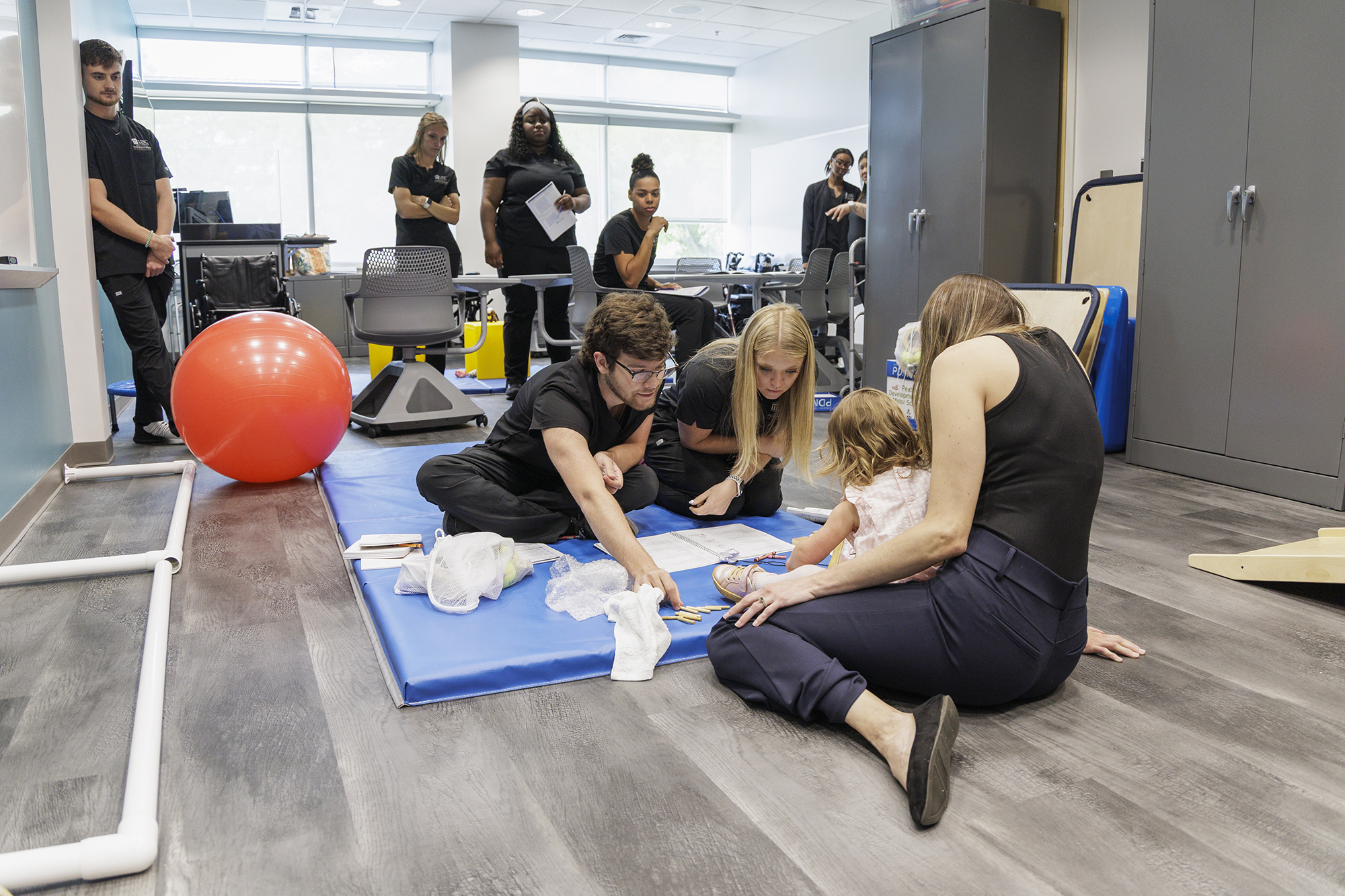
Less than two years after welcoming its first cohort of students, UNC Pembroke’s Master of Science in Occupational Therapy program has earned full accreditation from the Accreditation Council for Occupational Therapy Education (ACOTE), marking a major milestone for the university’s expanding healthcare education efforts.
ACOTE recently awarded UNCP’s program the maximum seven-year accreditation term following an on-site review. Recognized as the quality standard of education and training, accreditation signals to future employers that graduates of UNCP’s program have met rigorous national standards for education and clinical preparation. Graduates will now be eligible to take the National Board for Certification in Occupational Therapy exam and apply for licensure in any state.
For Dr. Jose Rafols, chair and program director, the milestone reflects years of planning, collaboration and commitment to building a program designed to serve southeastern North Carolina.
“This recognition validates the strength of the curriculum, the dedication of our faculty and the culture of excellence we set out to create,” Rafols said. “Our students are being prepared not only to succeed in the profession, but to lead within it.”
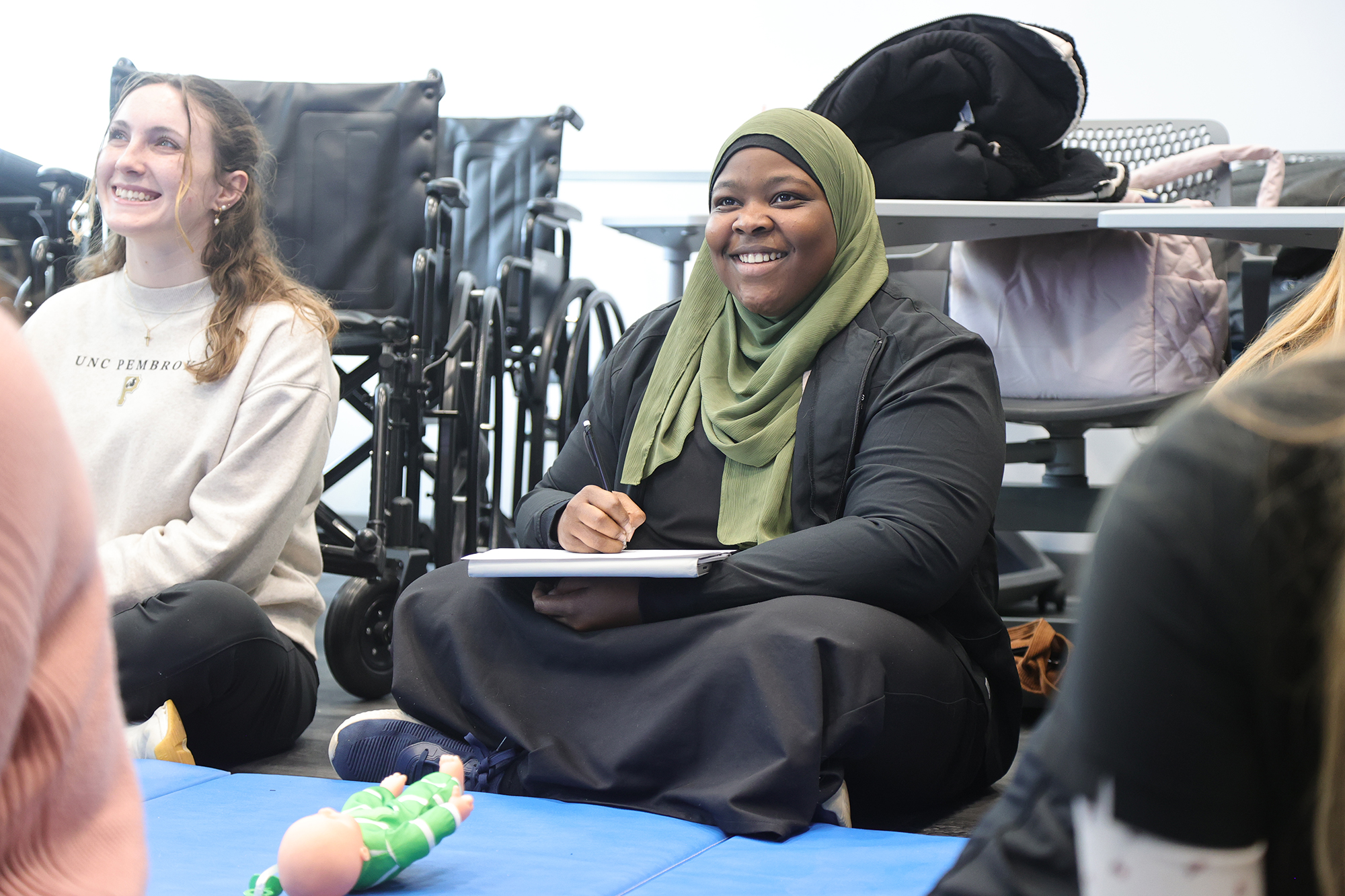
UNCP’s MSOT is an immersive, hands-on program designed to meet the growing demand for occupational therapists in rural southeastern North Carolina, where access to therapy services remains limited. One of the nation’s fastest-growing healthcare professions, occupational therapy is centered on helping people of all ages participate more fully in everyday life regardless of injury, illness or disability.
UNCP launched the program in 2024 with its first cohort of 21 students. The inaugural cohort is expected to complete its didactic and clinical studies this August and will march in the December 2026 commencement exercises.
Dr. Eva Skuka, dean of the College of Health Sciences, said earning full accreditation without citations demonstrates both the strength of the program and the university's growing investment in healthcare education.
“This reflects years of thoughtful planning, disciplined execution and a shared belief in preparing competent, ethical and community-responsive occupational therapy professionals," Skuka said. "The faculty and leadership within UNCP’s Occupational Therapy department have built a program centered on excellence, student success and the healthcare needs of our region."
According to a study by the Cecil G. Sheps Center for Health Services Research at the University of North Carolina at Chapel Hill, UNCP's primary service region has fewer healthcare professionals per 10,000 residents than the state average across every profession studied.
Recognizing growing healthcare workforce shortages across southeastern North Carolina, UNCP embarked on a major health sciences expansion in 2018, establishing the College of Health Sciences to unite the departments of counseling, kinesiology, nursing and social work in addressing the region’s complex healthcare and social challenges.
Since then, UNCP has launched several health-related academic offerings designed to expand student opportunities and help meet growing workforce demands, including the Doctor of Nursing Practice, the Master of Healthcare Administration and the Master of Science in Occupational Therapy.
The university also recently established an accelerated RN-to-MSN pathway, allowing working nurses with an associate degree to earn both a bachelor’s and master’s degree in nursing in as few as 24 months, as well as a Family Nurse Practitioner (FNP) track within its Master of Science in Nursing program. Both programs are accepting students for fall 2026.
And earlier this year, UNCP broke ground on its new Clinical Sciences Building, a $96.8 million, 74,000-square-foot facility that will serve as a hub for advanced healthcare education and collaboration. The facility will feature classrooms, laboratories, clinical training spaces and patient care areas designed to provide students with hands-on experience while expanding access to care for surrounding communities. Once completed, the building will house the MSOT department, several clinical sciences programs and the future College of Optometric Medicine, which is currently seeking accreditation.
Chancellor Robin Gary Cummings said the MSOT program’s success is evidence of UNCP’s long-term commitment to improving healthcare outcomes across southeastern North Carolina.
“As a university grounded in service, UNCP is committed to preparing healthcare professionals who are ready to make an immediate impact,” Cummings said. “Programs like occupational therapy strengthen the healthcare workforce pipeline while expanding access to care for those who need it most.”
For Erika Nicholson, a graduate student from Rutherfordton, North Carolina, occupational therapy is deeply personal.
Inspired by her grandfather, a World War II veteran who recovered with the help of occupational therapy after surviving a major heart attack, Nicholson said entering the profession is her way of giving back.
“I can't put into words the thankfulness I have for what OT gave my family,” she said. “It helped my grandfather heal and be with us. I want to give that back to veterans and others who are sometimes overlooked."
Nicholson said the program’s immersive and hands-on learning environment has reinforced her confidence as she prepares to enter the profession.
“There's a level of support in this program I've never had before as a student,” she said. “It's not just reading from a book. It's constantly hands-on, always pushing us to apply what we're learning. When we graduate, we'll be ready.”