Compass III Scholarship Program
The COMPASS-III Scholarship Program at UNCP supports students pursuing degrees in Biology, Chemistry, Environmental Science and Geo-Environmental Studies through need-based scholarships, faculty mentoring, research experiences, professional development and a supportive community. Funded by the National Science Foundation's Scholarships in Science, Technology, Engineering, and Mathematics (S-STEM) Program, COMPASS-III is designed to improve STEM retention, graduation and post-baccalaureate success by reducing financial barriers and providing comprehensive academic and career support.
Designed for What’s Next
Focus on your future — not financial barriers
COMPASS-III offers:
- Need-based scholarships up to $15,000 per year (average award: $12,900)
- Renewable funding through graduation with continued eligibility
- Additional support for research, internships and conference travel
- Assistance with graduate and professional school application costs
And the COMPASS-III experience extends beyond financial support. Scholars participate in a supportive learning community grounded in:
- Shared academic goals
- Faculty and peer mentoring
- Professional identity development
- Mutual accountability and encouragement
Students regularly participate in workshops, retreats, and informal gatherings that strengthen connections and promote persistence.
of COMPASS scholars persisted in STEM majors
COMPASS graduates earned academic honors
Compass cohort average
Research and Professional Development
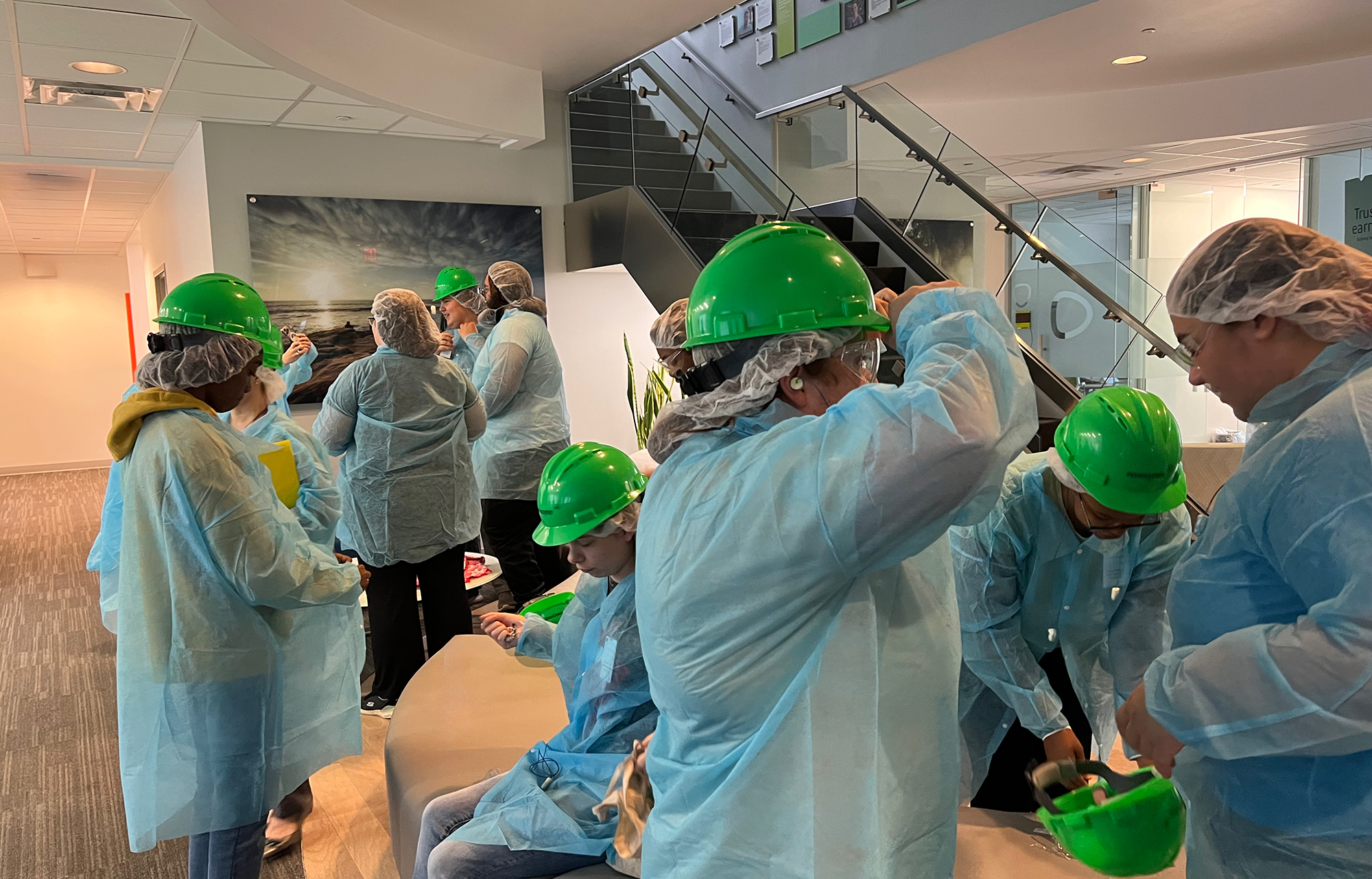
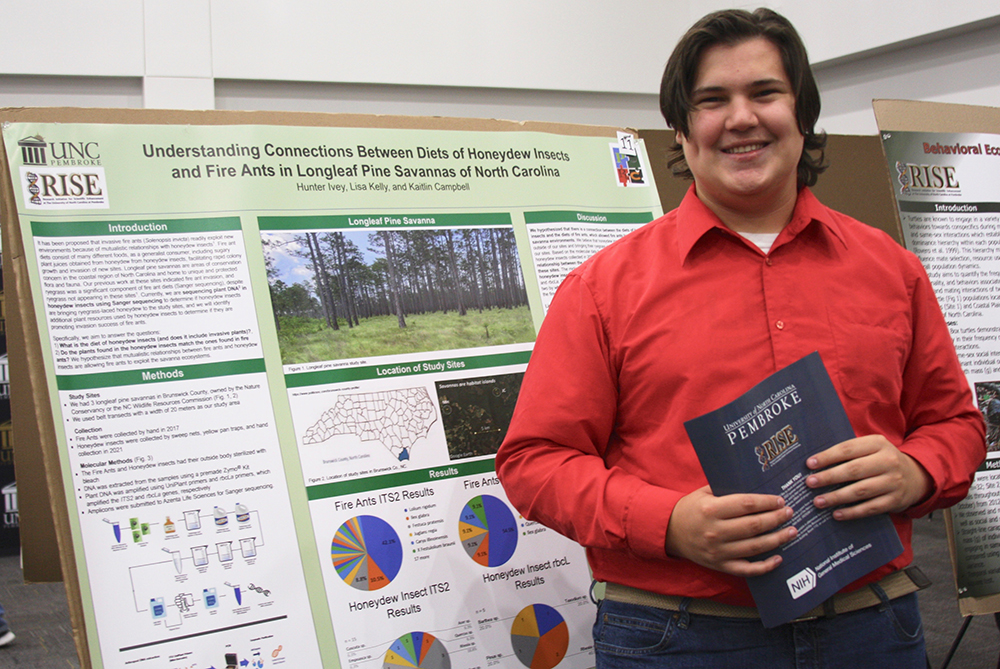
- Faculty-mentored research at UNCP
- Summer research programs and internships
- Participation in STEM conferences and symposia
- Community and STEM outreach activities

About COMPASS-III
COMPASS‑III supports students through a staggered cohort model that promotes continuity,
near‑peer mentoring and sustained engagement throughout the undergraduate experience.
Program Structure:
- Three cohorts of 10 students each
- Scholars are supported from entry through graduation
Cohort Progression
|
Academic Year |
Cohort I |
Cohort II |
Cohort III |
|
2026–2027 |
Freshman |
— |
— |
|
2027–2028 |
Sophomore |
Freshman |
— |
|
2028–2029 |
Junior |
Sophomore |
Freshman |
|
2029–2030 |
Senior |
Junior |
Sophomore |
|
2030-2031 |
|
Senior |
Junior |
|
2031-2032 |
|
|
Senior |
Academic & Mentoring Support
COMPASS-III scholars receive structured academic support designed to promote persistence
and success in rigorous STEM coursework, including:
- One-on-one faculty mentoring
- Math and Chemistry Boot Camps prior to the first semester
- Access to tutoring and structured study halls
- Individualized academic advising and progress monitoring
Mentoring relationships emphasize academic planning, research exploration, professional identity development, and goal setting.
Research & Career Preparation
Early and sustained exposure to research and career pathways is a central component
of COMPASS-III. Scholars benefit from:
- Early exposure to undergraduate research
- Paid research opportunities on campus and at partner institutions
- Career panels, STEM site visits, and internship preparation
- Mock interviews and resume/graduate school workshops
- Opportunities to attend and present at professional conferences
Community & Wellness
COMPASS-III intentionally fosters a sense of belonging and community through:
- A cohort-based program model
- Annual COMPASS Retreat
- Peer mentoring and social activities
- A dedicated student lounge and study space
- Wellness, resilience, and professional identity programming
Most previous COMPASS scholars were Pell‑eligible, many were the first in their families to attend college and the majority came from rural and economically distressed communities in Robeson County and surrounding regions. These student characteristics reflect the population UNCP serves as a public regional institution and Native American‑Serving, Non‑Tribal Institution (NASNTI).
Outcomes from earlier COMPASS cohorts provide strong evidence of program effectiveness:
- 76% of COMPASS scholars persisted in STEM majors
- 6% completed STEM degrees within four years, exceeding institutional benchmarks for students with similar financial and academic profiles
- Scholars maintained strong academic performance, with cohort GPAs averaging above 3
- More than half of graduates earned academic honors
Assessment data and student feedback consistently indicate that reducing financial stress, combined with faculty mentoring, academic support, and peer community, played a central role in students’ persistence and success. Lessons learned — particularly the importance of early, personalized intervention during the first two undergraduate years — inform the design of COMPASS‑III.
Eligibility Criteria
 Applicants must:
- Be incoming first-year students or transfer students (≤ 60 credit hours)
- Enroll full-time at UNCP
- Declare or intend to major in Biology, Chemistry, Environmental Science or Geo-Environmental Studies
- Demonstrate academic potential for success in STEM
- Demonstrate financial need (FAFSA required)
- Be U.S. citizen's or permanent residents
Application Process
Applicants must complete:
- Application for admission to UNCP
- FAFSA
- COMPASS-III Supplemental Application (online)
The supplemental application includes:
- A short reflective essay describing academic interests and career goals
- Intended STEM major
- Contact information for two recommenders
(at least one must be a STEM teacher) - Authorization for the Office of Financial Aid to review financial-need information
Additional material:
- Two letters of recommendation submitted directly by teachers
COMPASS‑III supports students through a staggered cohort model that promotes continuity,
near‑peer mentoring and sustained engagement throughout the undergraduate experience.
Program Structure:
- Three cohorts of 10 students each
- Scholars are supported from entry through graduation
Cohort Progression
|
Academic Year |
Cohort I |
Cohort II |
Cohort III |
|
2026–2027 |
Freshman |
— |
— |
|
2027–2028 |
Sophomore |
Freshman |
— |
|
2028–2029 |
Junior |
Sophomore |
Freshman |
|
2029–2030 |
Senior |
Junior |
Sophomore |
|
2030-2031 |
|
Senior |
Junior |
|
2031-2032 |
|
|
Senior |
Academic & Mentoring Support
COMPASS-III scholars receive structured academic support designed to promote persistence
and success in rigorous STEM coursework, including:
- One-on-one faculty mentoring
- Math and Chemistry Boot Camps prior to the first semester
- Access to tutoring and structured study halls
- Individualized academic advising and progress monitoring
Mentoring relationships emphasize academic planning, research exploration, professional identity development, and goal setting.
Research & Career Preparation
Early and sustained exposure to research and career pathways is a central component
of COMPASS-III. Scholars benefit from:
- Early exposure to undergraduate research
- Paid research opportunities on campus and at partner institutions
- Career panels, STEM site visits, and internship preparation
- Mock interviews and resume/graduate school workshops
- Opportunities to attend and present at professional conferences
Community & Wellness
COMPASS-III intentionally fosters a sense of belonging and community through:
- A cohort-based program model
- Annual COMPASS Retreat
- Peer mentoring and social activities
- A dedicated student lounge and study space
- Wellness, resilience, and professional identity programming
Most previous COMPASS scholars were Pell‑eligible, many were the first in their families to attend college and the majority came from rural and economically distressed communities in Robeson County and surrounding regions. These student characteristics reflect the population UNCP serves as a public regional institution and Native American‑Serving, Non‑Tribal Institution (NASNTI).
Outcomes from earlier COMPASS cohorts provide strong evidence of program effectiveness:
- 76% of COMPASS scholars persisted in STEM majors
- 6% completed STEM degrees within four years, exceeding institutional benchmarks for students with similar financial and academic profiles
- Scholars maintained strong academic performance, with cohort GPAs averaging above 3
- More than half of graduates earned academic honors
Assessment data and student feedback consistently indicate that reducing financial stress, combined with faculty mentoring, academic support, and peer community, played a central role in students’ persistence and success. Lessons learned — particularly the importance of early, personalized intervention during the first two undergraduate years — inform the design of COMPASS‑III.
Eligibility Criteria
Applicants must:
- Be incoming first-year students or transfer students (≤ 60 credit hours)
- Enroll full-time at UNCP
- Declare or intend to major in Biology, Chemistry, Environmental Science or Geo-Environmental Studies
- Demonstrate academic potential for success in STEM
- Demonstrate financial need (FAFSA required)
- Be U.S. citizen's or permanent residents
Application Process
Applicants must complete:
- Application for admission to UNCP
- FAFSA
- COMPASS-III Supplemental Application (online)
The supplemental application includes:
- A short reflective essay describing academic interests and career goals
- Intended STEM major
- Contact information for two recommenders
(at least one must be a STEM teacher) - Authorization for the Office of Financial Aid to review financial-need information
Additional material:
- Two letters of recommendation submitted directly by teachers
Program Directors

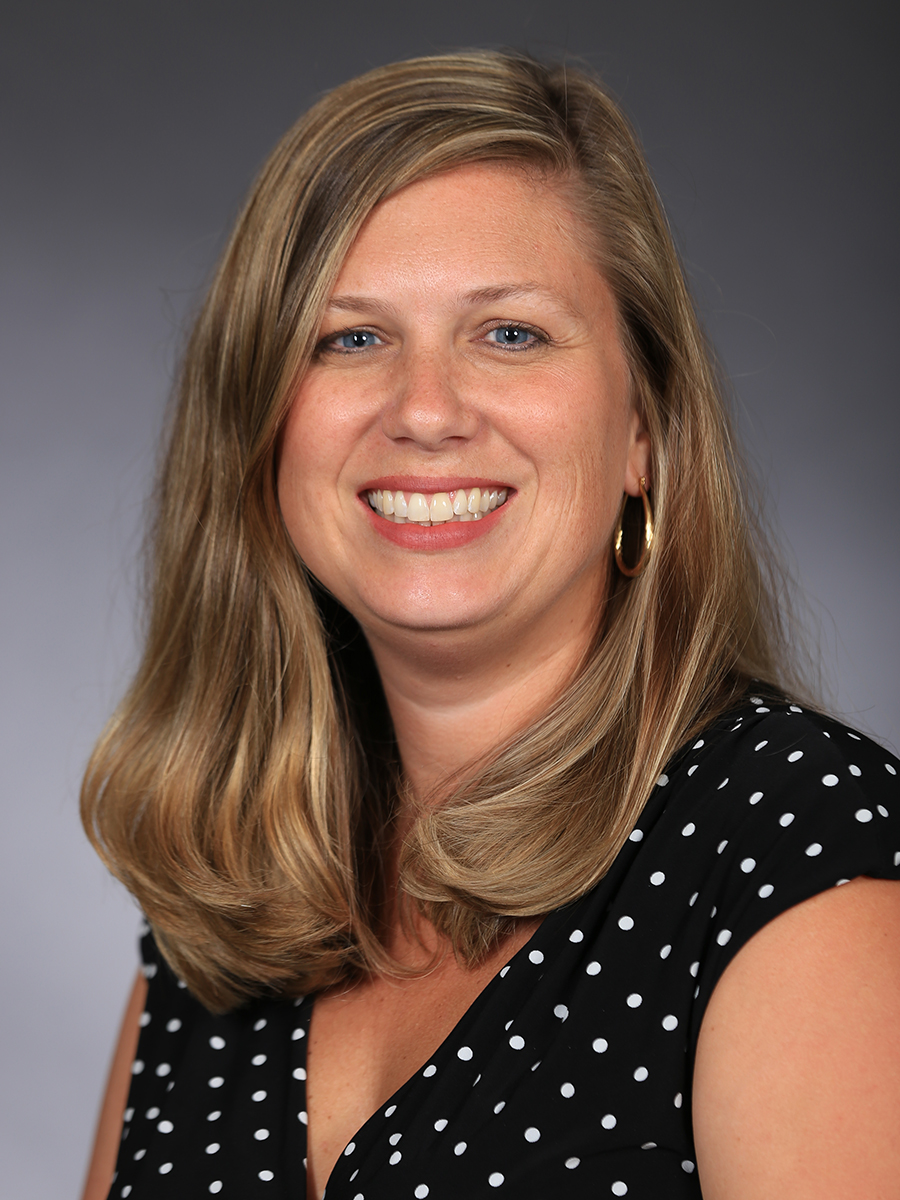

Rachel Smith
Chair of Chemistry and Physics/Professor of Chemistry
rachel.smith@uncp.edu910.521.6426