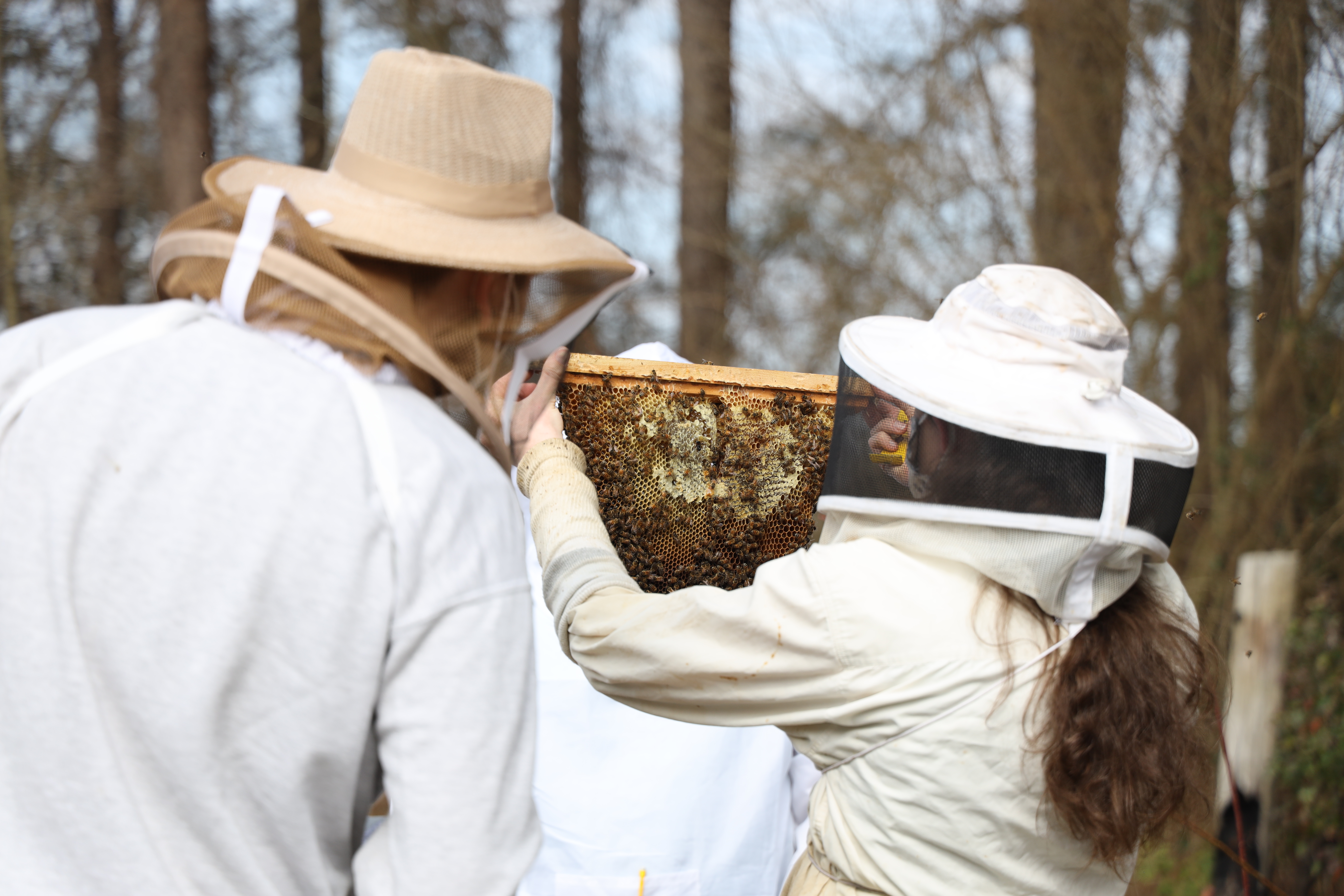
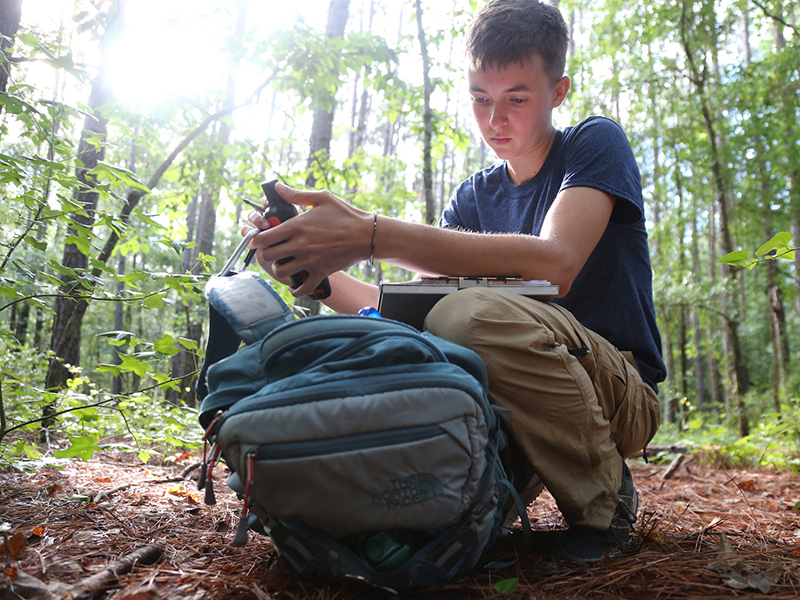
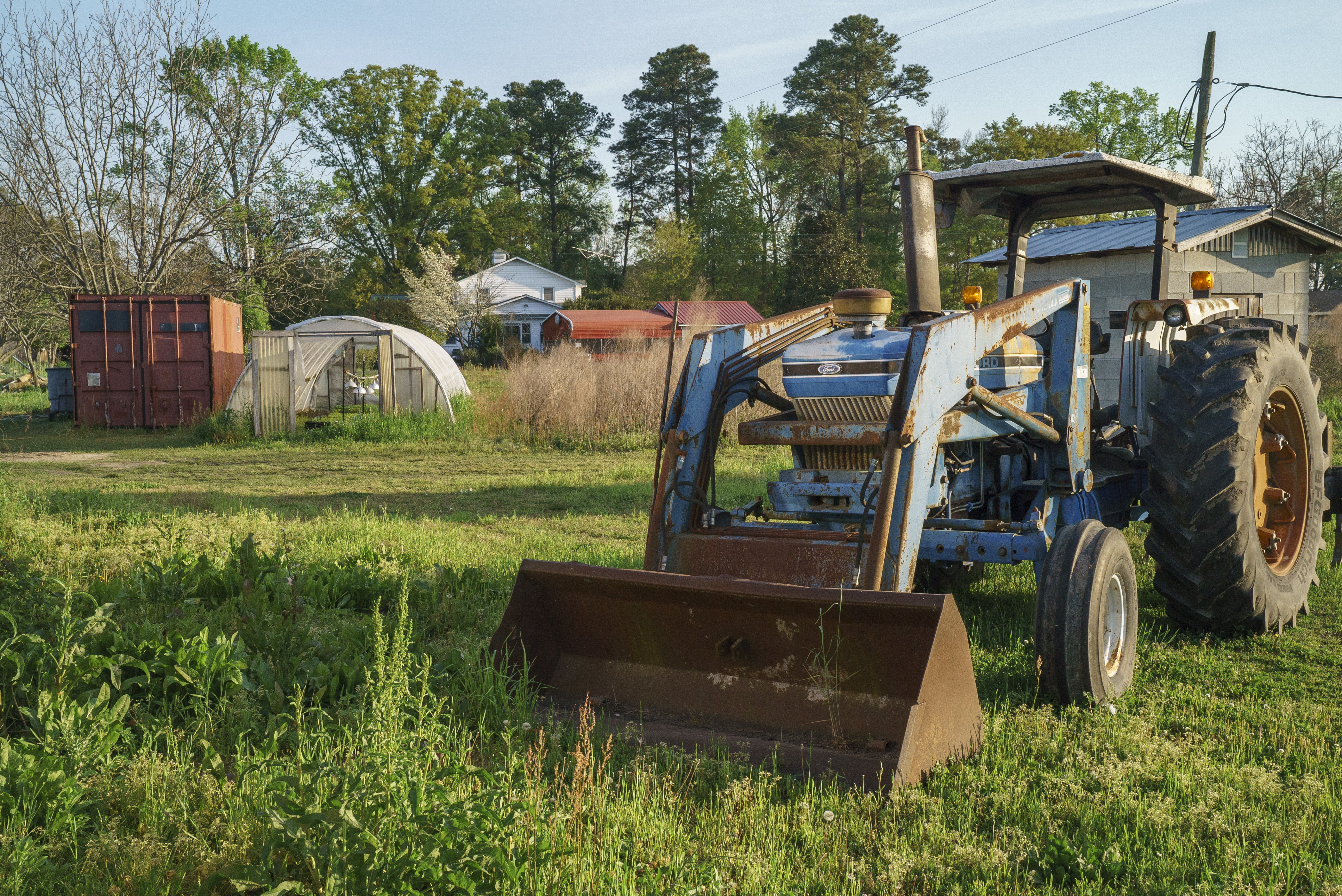
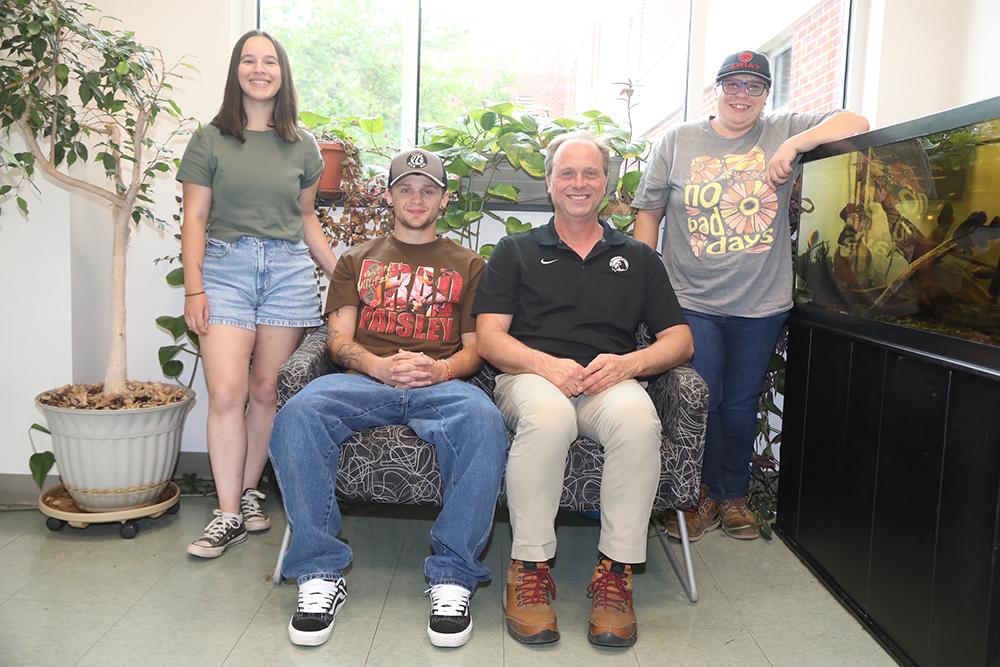
Through a partnership with the Bezos Center for Sustainable Protein at NC State University, five Braves are serving as Bezos Scholars, exploring innovative solutions in sustainable food production. The scholars' work extends beyond the classroom to include developing K–12 lesson plans, visiting industry leaders like Novonesis and gaining hands-on agricultural experience at UNCP’s ACRES site.
Agriculture
Grow your future with Agriculture at UNC Pembroke. Our Bachelor of Science in Agriculture combines hands-on learning in plant, animal and soil science with real-world experience to prepare you for careers in agribusiness, sustainable agriculture, livestock management and more.
Customize Your Degree
You can tailor your degree to match your interests, career goals and hands-on learning
preferences. Through a combination of focused coursework, experiential learning and
faculty mentorship, you’ll build a personalized academic path that prepares you for
careers in today’s agricultural industry.
This isn't the kind of program where you learn from behind a desk. Gain hands-on experience through::
- Field labs and on-campus agricultural facilities
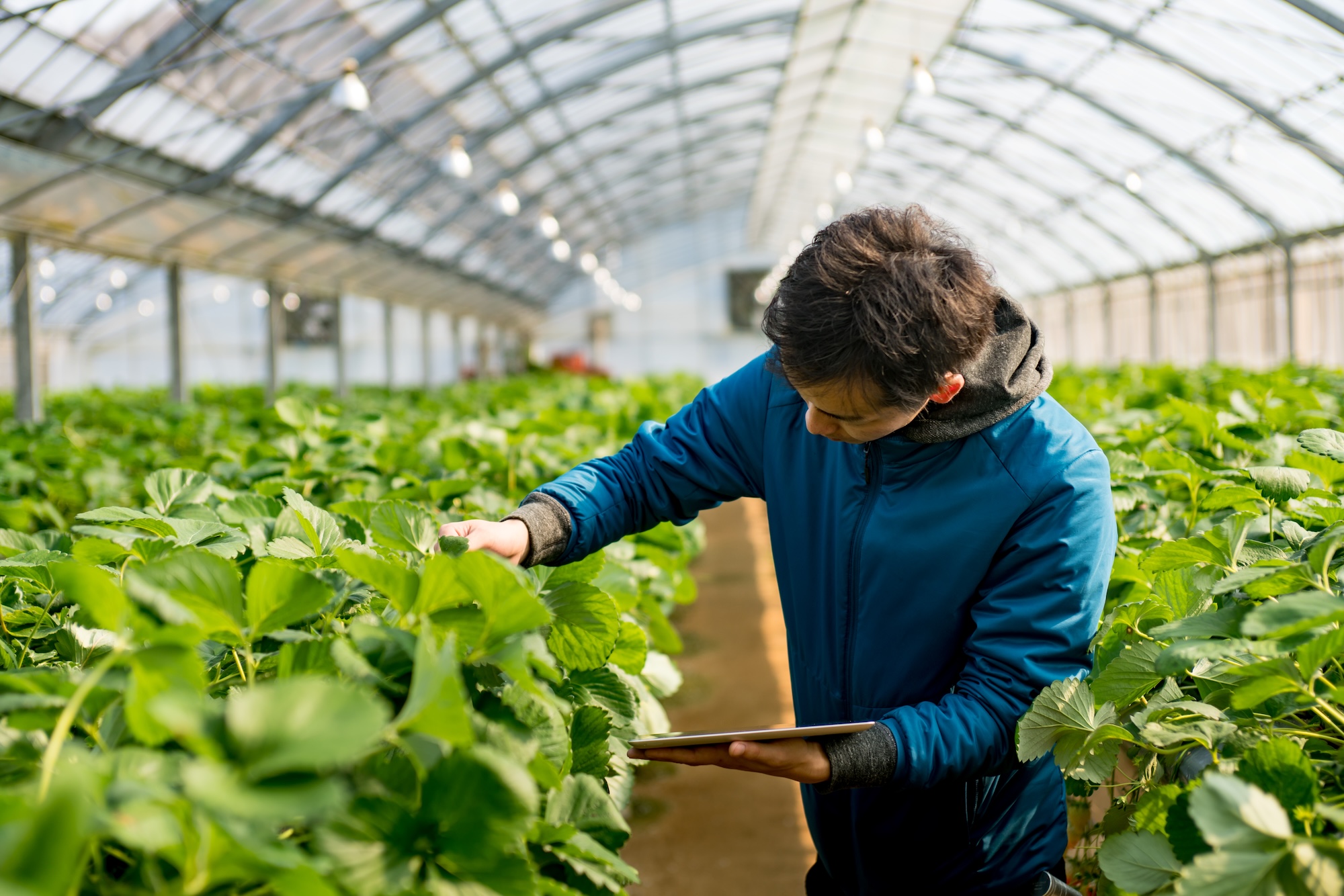
- Greenhouse and crop research projects
- Livestock handling and animal care experiences
- Undergraduate research with faculty
- Internships with farms, agribusinesses, agencies and organizations
Our elective courses allow you to explore specialized areas of agriculture while building skills that support your career goals.
You can choose from courses in animal science, plant biology, sustainable farming systems, pollinator health and greenhouse management, as well as emerging technologies like geographic information science and remote sensing. These electives help you deepen your expertise, gain hands-on experience and tailor your degree toward careers in areas such as livestock management, crop production, agricultural technology or environmental sustainability.
Our faculty advisors work closely with you to help shape your academic and career path. Through personalized guidance, they help you:
- Design an academic plan that aligns with your interests and career goals
- Identify internships, research opportunities and hands-on learning experiences
- Prepare for careers in agriculture, agribusiness, education, research and related fields
Science-Based Curriculum
Build a strong foundation in biology, chemistry and environmental science that supports
modern, data-driven agricultural practices.
Through laboratory instruction, scientific analysis and applied research, students develop the technical knowledge and critical thinking skills necessary to understand plant systems, soil health, animal physiology and environmental interactions. This scientific framework prepares graduates to evaluate agricultural challenges using evidence-based methods and emerging technologies.
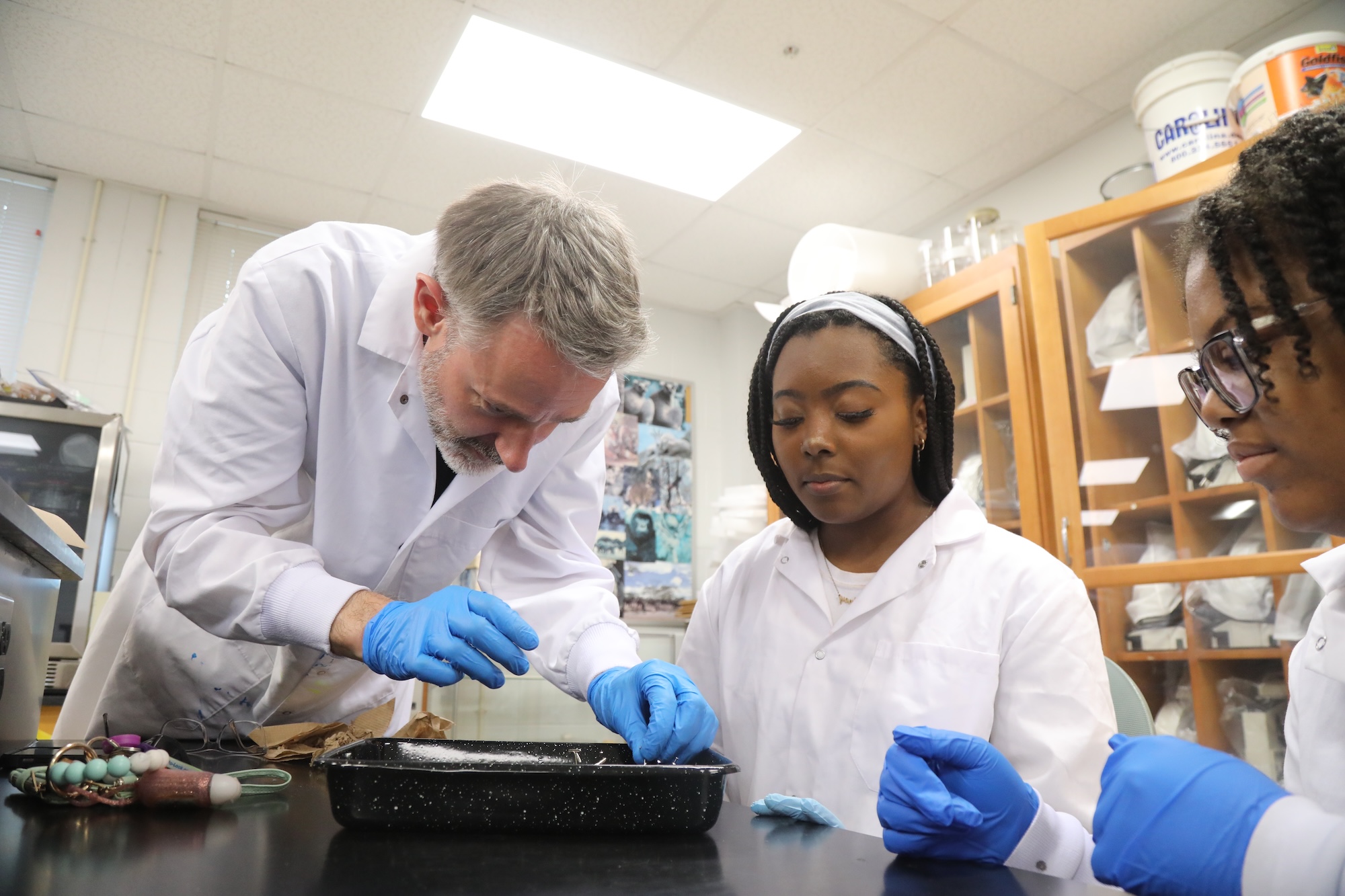
Through laboratory instruction, scientific analysis and applied research, students develop the technical knowledge and critical thinking skills necessary to understand plant systems, soil health, animal physiology and environmental interactions. This scientific framework prepares graduates to evaluate agricultural challenges using evidence-based methods and emerging technologies.
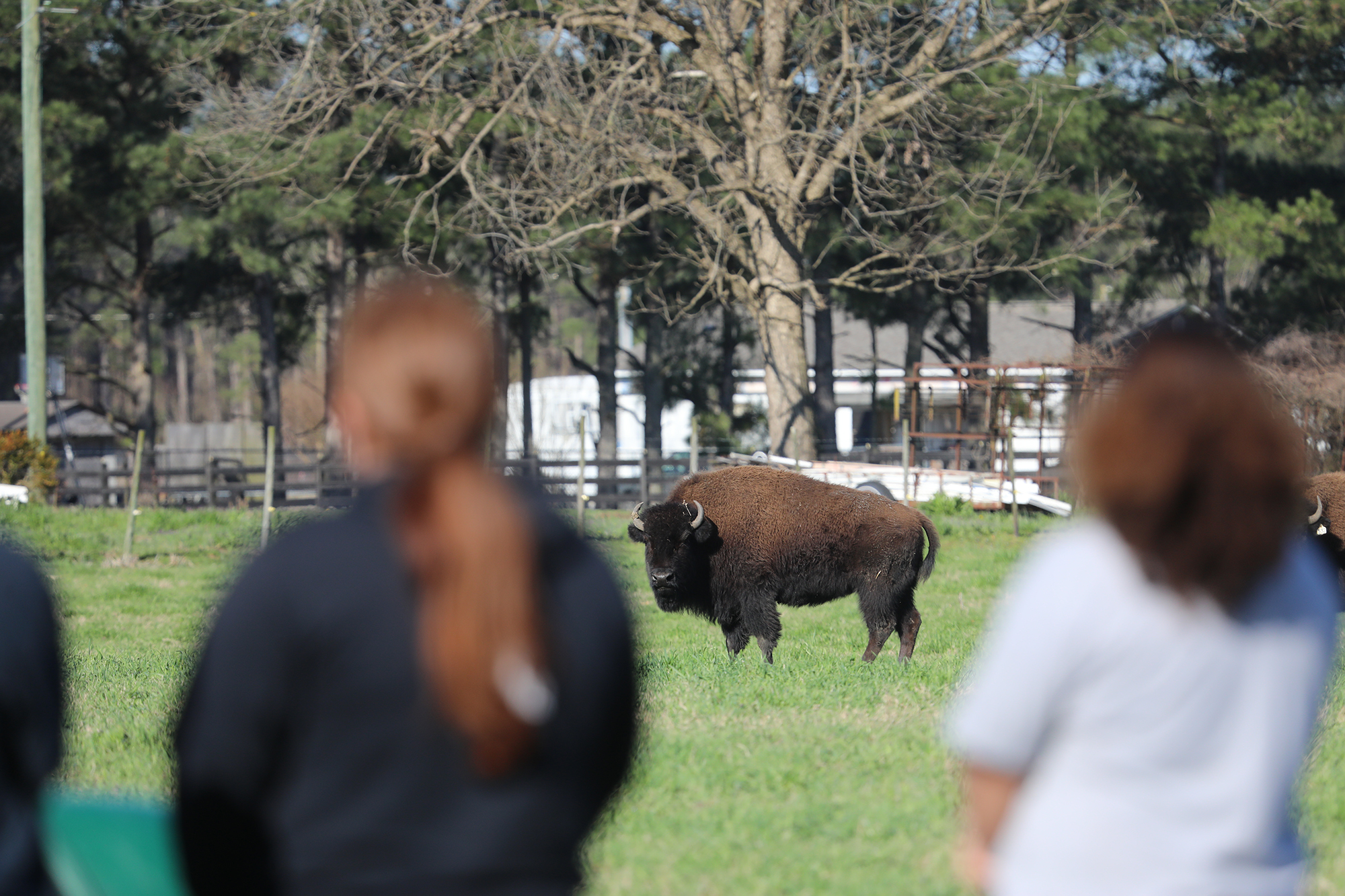
Animal & Plant Science
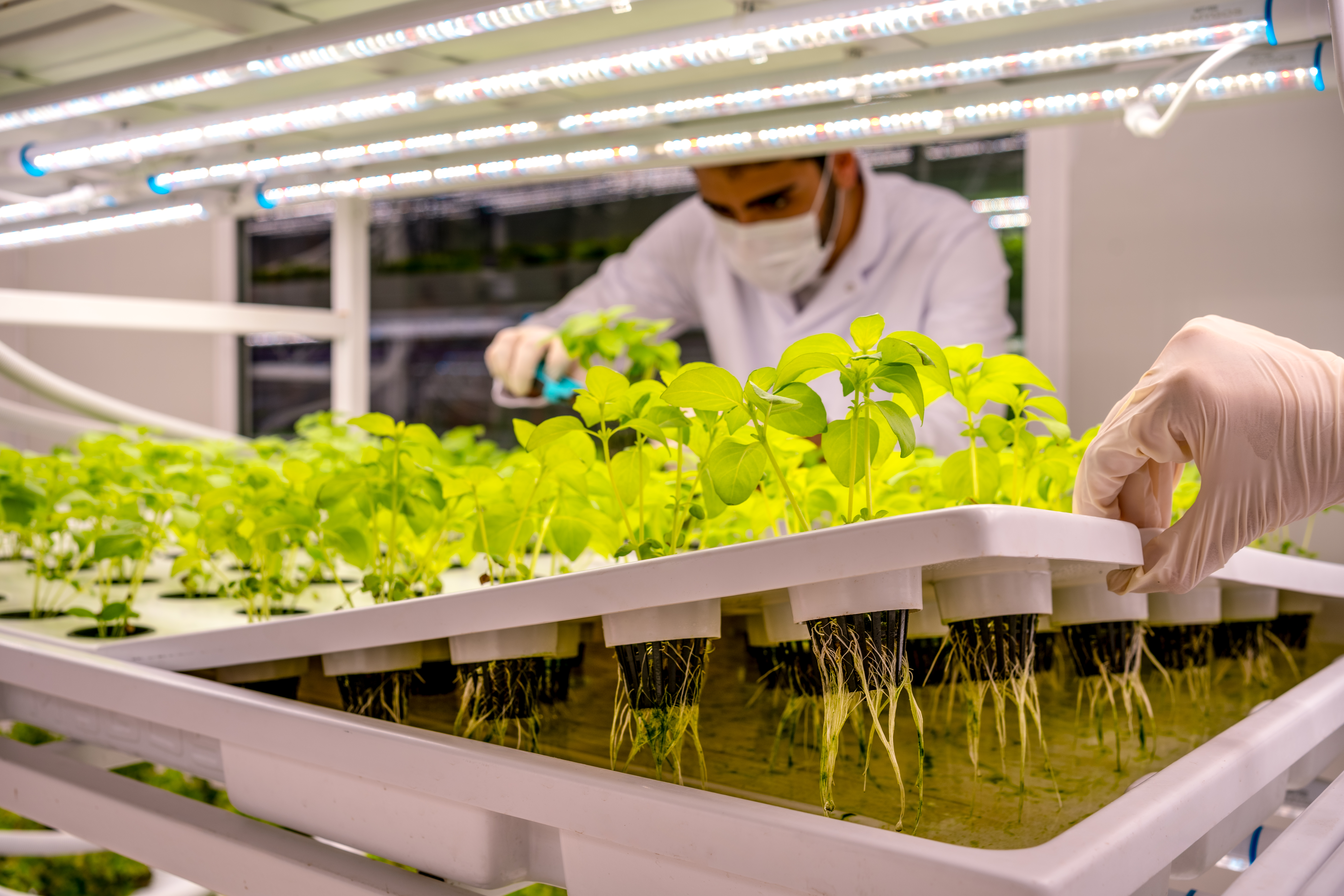
Explore both animal and plant systems through coursework in animal science, horticulture,
pest management and crop production.
Students examine biological processes, production systems and management practices
that support efficient and responsible agricultural operations. Through a combination
of classroom instruction and applied learning, the program prepares graduates for
diverse careers in agricultural production, agribusiness, research, extension services
and environmental management.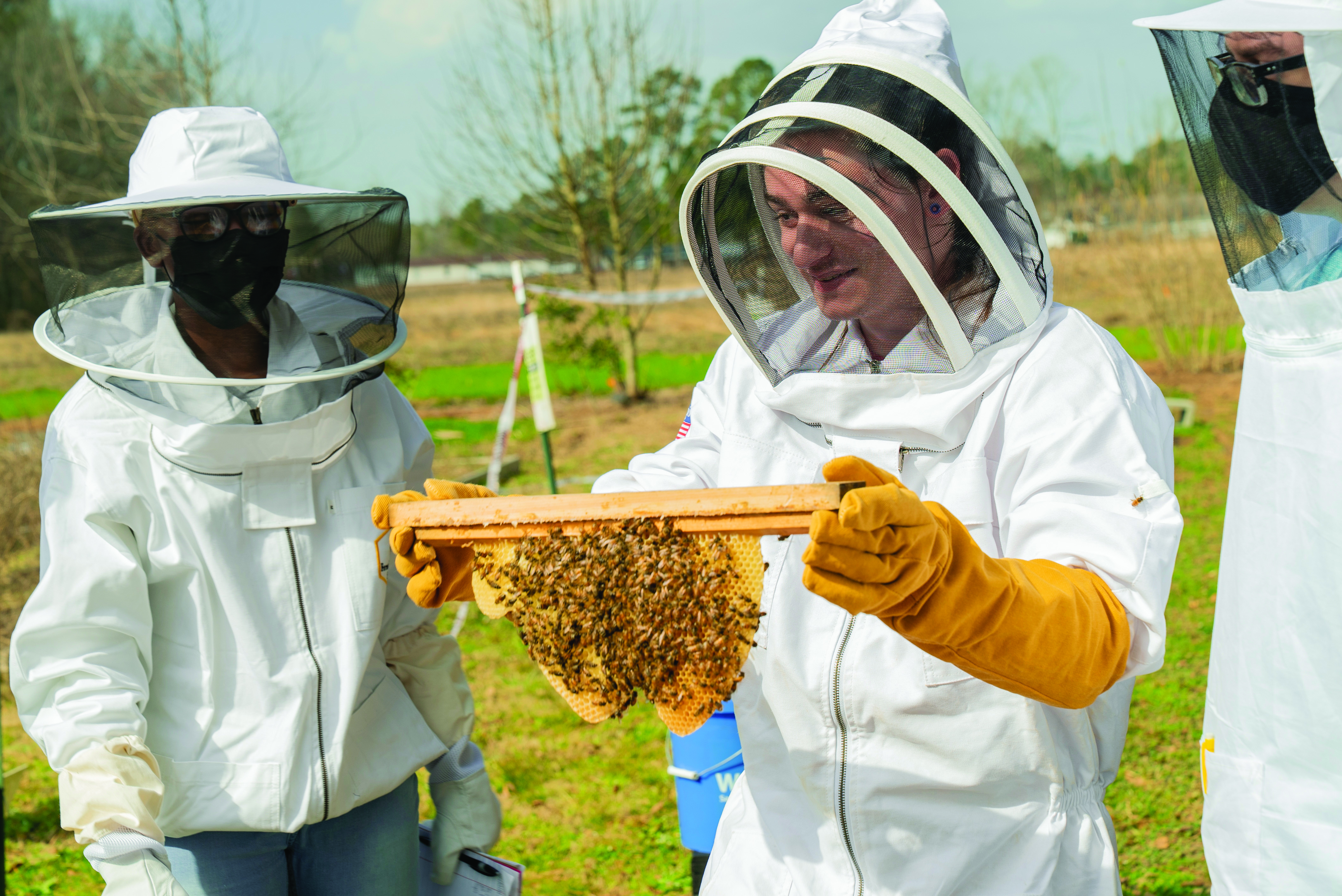
Hands-On Learning
Learn by doing every semester. Agriculture students gain real-world experience through
laboratories, fieldwork, course-based research and community projects — not just lectures.
From greenhouse production and soil analysis to livestock management and crop evaluation, students apply classroom concepts in practical settings that strengthen technical skills and professional confidence. These experiential learning opportunities reinforce academic coursework while preparing students to address real agricultural challenges with competence and adaptability.
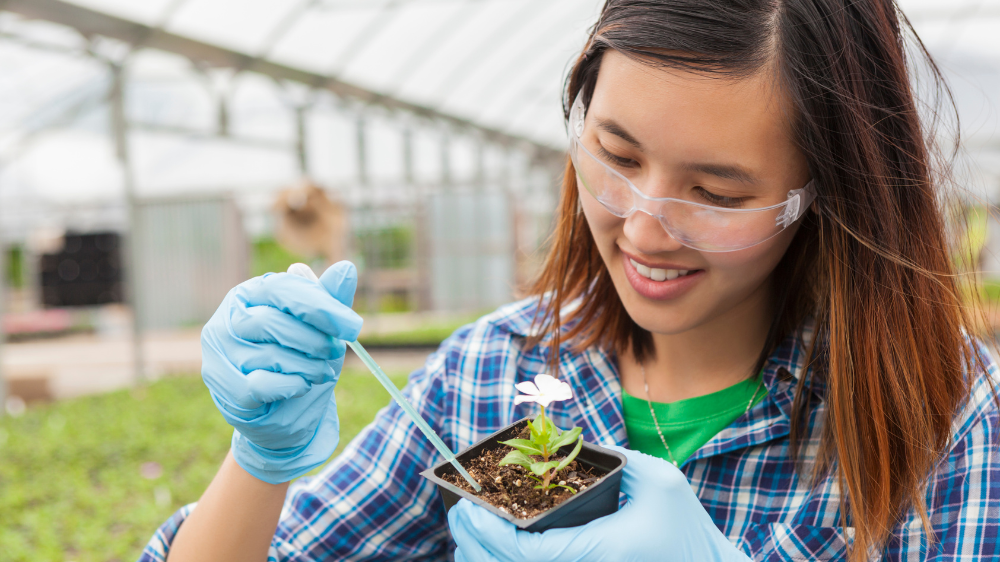
From greenhouse production and soil analysis to livestock management and crop evaluation, students apply classroom concepts in practical settings that strengthen technical skills and professional confidence. These experiential learning opportunities reinforce academic coursework while preparing students to address real agricultural challenges with competence and adaptability.
Sustainability & Food Systems
Study how agriculture connects to sustainability, food security and environmental
stewardship in a changing world.
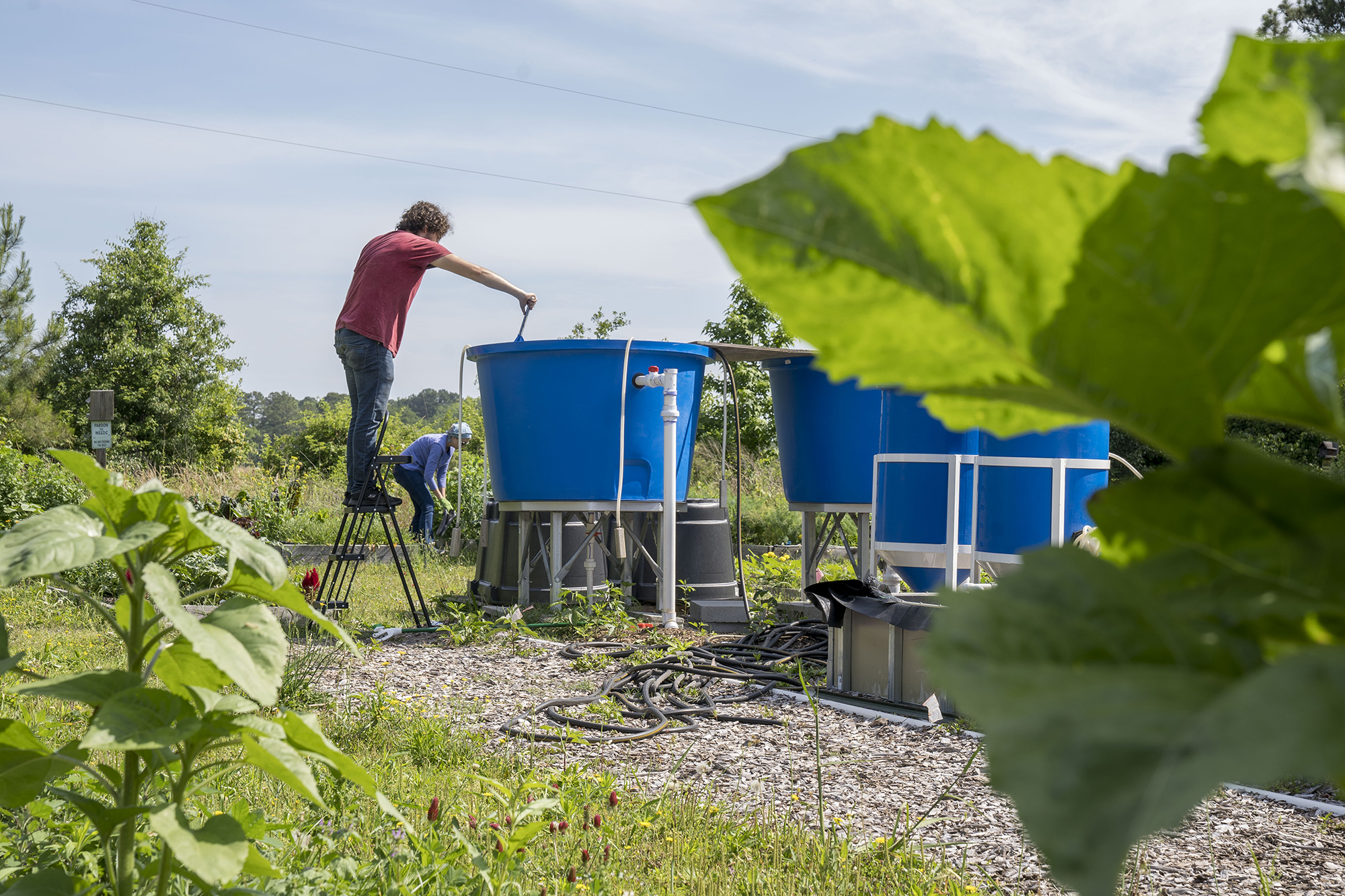
Students examine the relationships between food production, natural resource management and global food systems while exploring strategies that promote long-term environmental and economic viability. Through coursework and applied learning, students analyze issues such as soil conservation, water use, climate impacts and responsible production practices. This integrated approach prepares graduates to contribute thoughtfully and effectively to sustainable agricultural systems at local, regional and global levels.
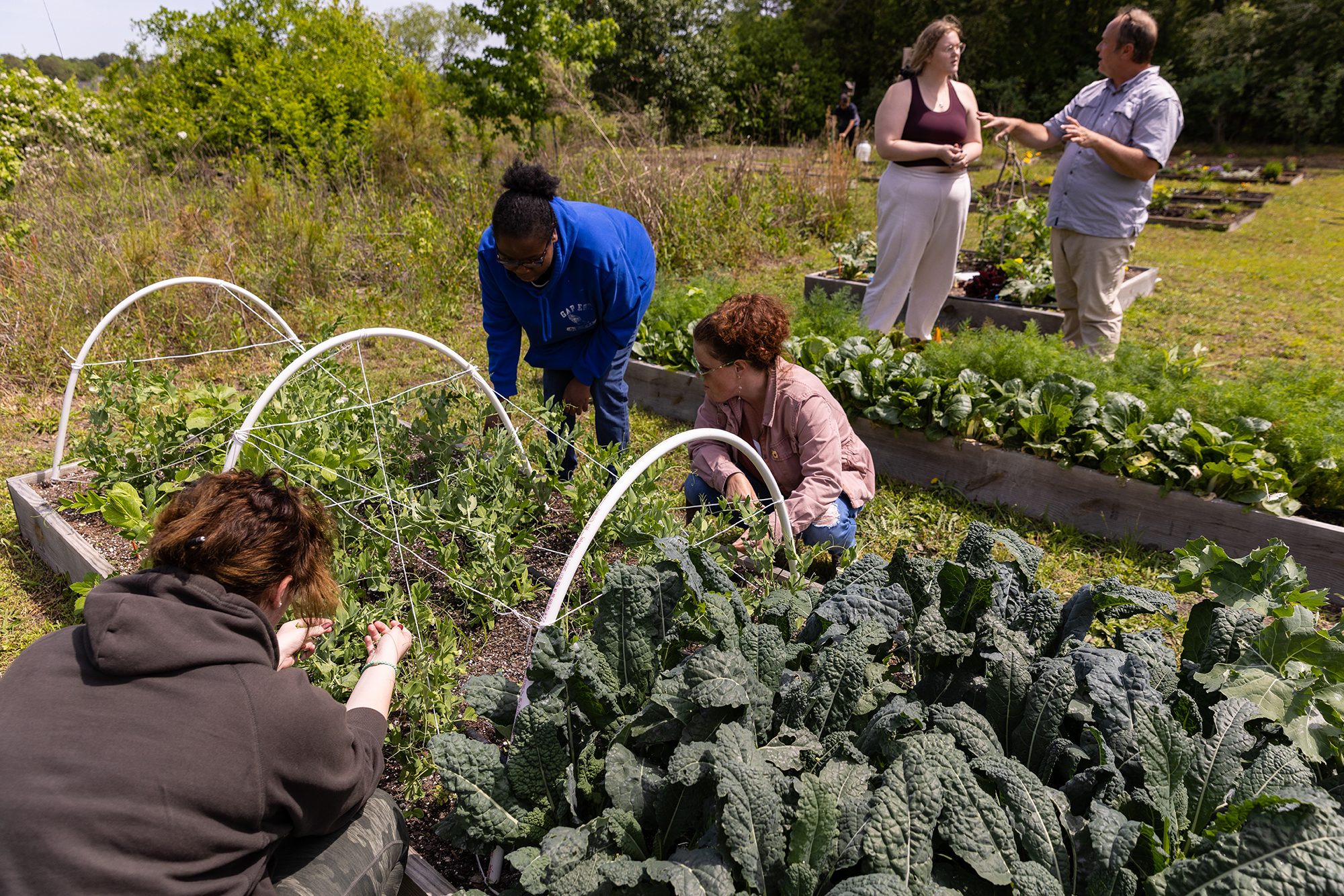
Students examine the relationships between food production, natural resource management and global food systems while exploring strategies that promote long-term environmental and economic viability. Through coursework and applied learning, students analyze issues such as soil conservation, water use, climate impacts and responsible production practices. This integrated approach prepares graduates to contribute thoughtfully and effectively to sustainable agricultural systems at local, regional and global levels.
Beyond the Classroom

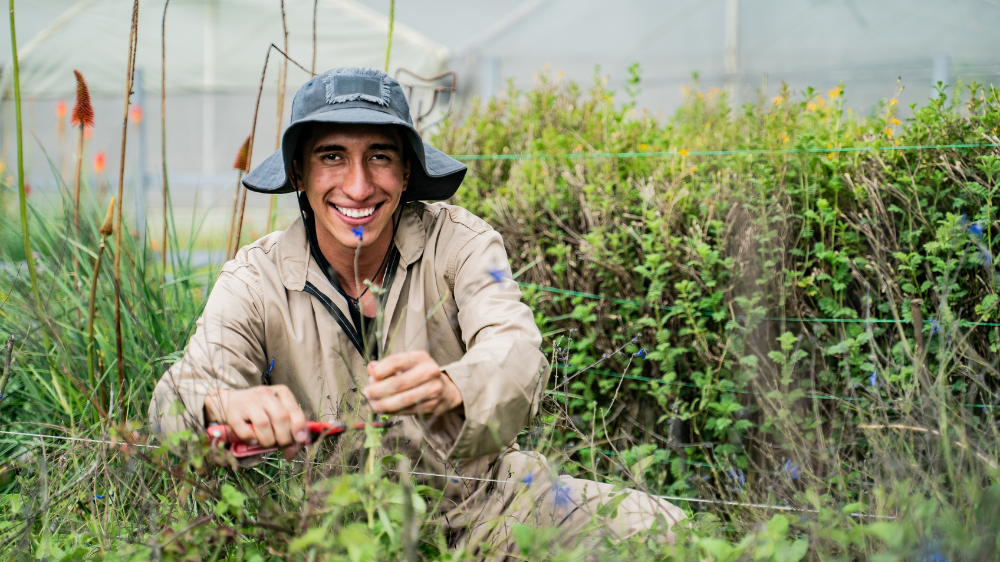
Garden & Apiary
UNCP’s Campus Garden and Apiary give students a hands-on space to learn by doing,
from planting and soil care to pollinator health and sustainable growing practices.
The garden and hives connect classroom concepts to real-world agriculture, showing
how food systems and environmental stewardship work together. It’s also a visible
reminder that agriculture is active on our campus, not just something you read about.
Agriculture Club
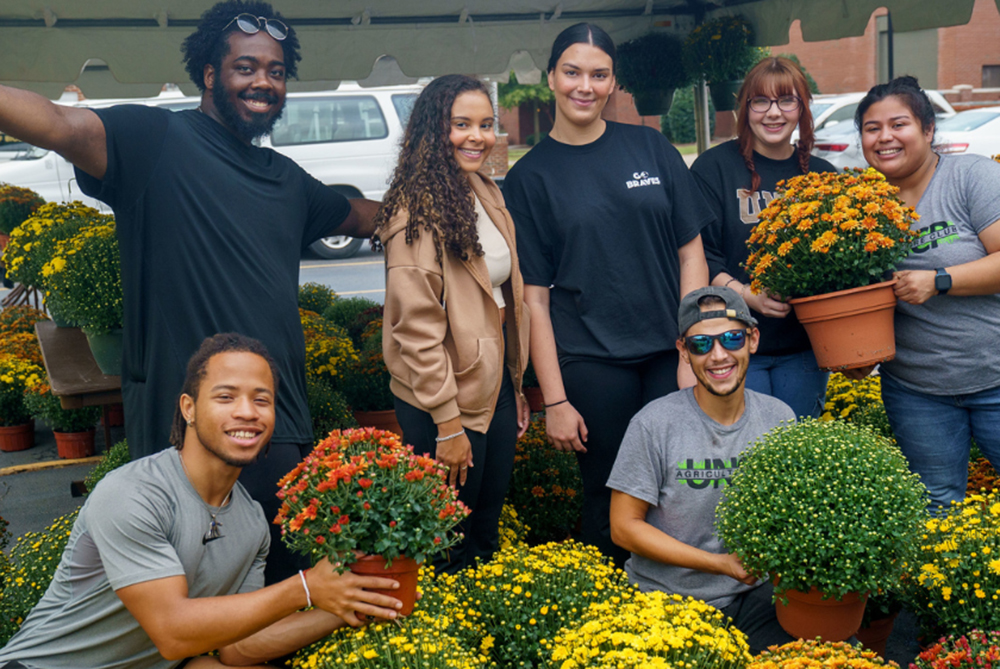
UNCP Agriculture Club brings students together through hands-on activities, leadership
development, and community engagement. Members gain real-world experience through
plant sales, campus events, service projects, and networking opportunities that complement
classroom learning and build lasting connections.
Field Trips
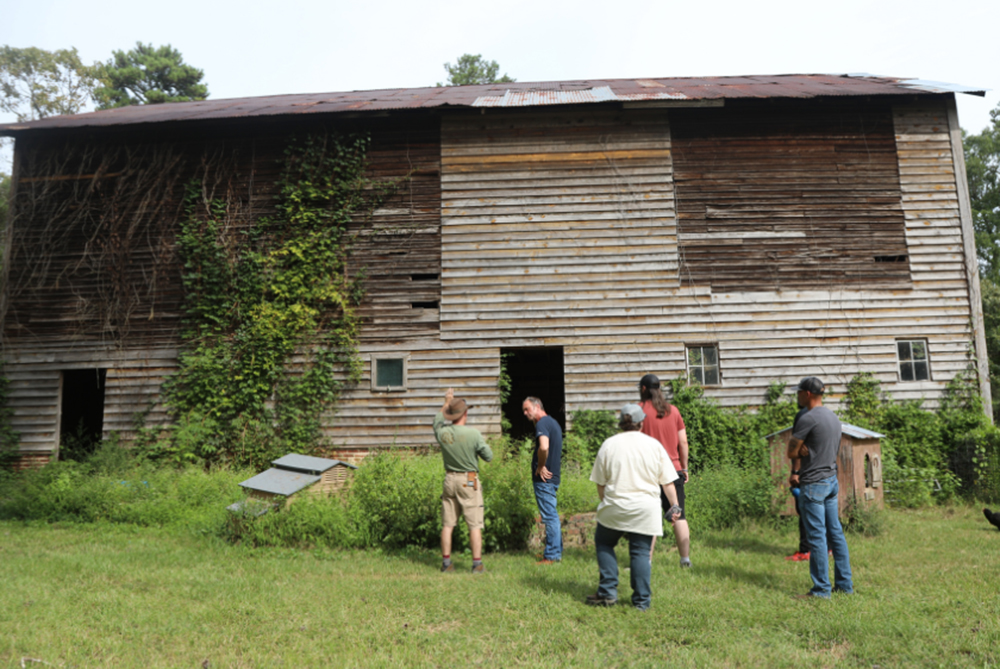
Field trips give students hands-on exposure to real-world agricultural operations,
including farms, research sites and industry facilities. These experiences connect
classroom learning to practical applications while expanding students’ understanding
of agriculture in diverse settings.
Where Can an Agriculture Degree Take You?

Our program connects students to real-world experiences and the many opportunities agriculture offers across North Carolina. Whether it’s traditional crops or next-generation proteins, our students are preparing to lead in every area of the industry.
Dr. Bryan Sales
associate professor and director of UNCP’s agriculture programCommon Careers
Graduates with a Bachelor of Science in Agriculture from UNCP are prepared for a wide range of careers in the agricultural industry and related fields. You’ll be ready to pursue opportunities in areas such as:
- Agribusiness and agricultural management
- Crop and livestock production
- Environmental and natural resource careers
- Agricultural education or extension services
- Graduate or professional study in agriculture or related sciences
Research
Shaping the Future of Food
Ready to get started?
Our Admissions counselors are here to answer any questions you have.
or call us at 910.521.6262
Send us a message and one of our counselors will get back to you
Meet Our Faculty

Jeffrey Beasley
Marion F. Bass Distinguished Professorship in STEM
jeffrey.beasley@uncp.edu910.775.4428

Kaitlin Campbell
Assistant Chair and Associate Professor of Biology
kaitlin.campbell@uncp.edu910.521.6421

Nicolas Negrin Pereira
Associate Professor of Animal Science
nicolas.negrinpereira@uncp.edu910.522.5758
Similar Programs