UNCP Earns National Recognition for Preparing Future Elementary Teachers in the Science of Reading
UNC Pembroke’s Bachelor of Science in Elementary Education program has received an A+ from the National Council on Teacher Quality (NCTQ), the organization’s highest rating for preparing future elementary teachers to deliver evidence-based reading instruction grounded in the science of reading.
The recognition places UNCP among a select group of teacher preparation programs nationwide earning the organization’s highest distinction.
“This recognition reflects what we’ve always believed — great readers begin with great teachers,“ said Dr. Tracy Mulvaney, dean of the School of Education . “Our faculty work intentionally to ensure future educators understand not only how children learn to read, but how to apply that knowledge in real classrooms. We want our graduates to walk into their first classroom prepared to help every child become a confident reader.“
Helping children become strong readers begins with well-prepared teachers. According to the National Assessment of Educational Progress, four in 10 fourth graders in North Carolina do not read at a basic level. Research shows that teachers equipped with evidence-based literacy practices are among the strongest factors in improving student reading outcomes.
The report, Teacher Prep Review: Decoding Progress in Reading Preparation , evaluated elementary teacher preparation programs across the country on how effectively they prepare future educators to teach reading using decades of established research.
NCTQ’s methodology is informed by a panel of reading experts, teacher preparation faculty, reading advocates and measurement experts. To evaluate each program, reviewers analyzed syllabi, lecture topics, reading materials, class assessments, assignments and opportunities for teacher candidates to practice evidence-based literacy instruction. Programs earning an A+ demonstrate comprehensive instruction in the five essential components of reading — phonemic awareness, phonics, fluency, vocabulary and comprehension — while avoiding instructional practices that research has found to be ineffective.
“This recognition reflects the quality of our faculty, the strength of our partnerships with local schools and the dedication of our students to becoming exceptional educators,” said Diane Prusank, provost and vice chancellor for Academic Affairs. “When our graduates enter classrooms prepared to help children become successful readers, the impact extends far beyond a single school. It strengthens communities and the future workforce of North Carolina.”
Preparing teachers has been central to UNC Pembroke’s mission since the university’s founding in 1887 as a school established to educate American Indian teachers. Today, that mission continues through programs that combine rigorous coursework with meaningful clinical experiences in area schools, ensuring graduates from diverse backgrounds are ready to meet the needs of today’s classrooms.
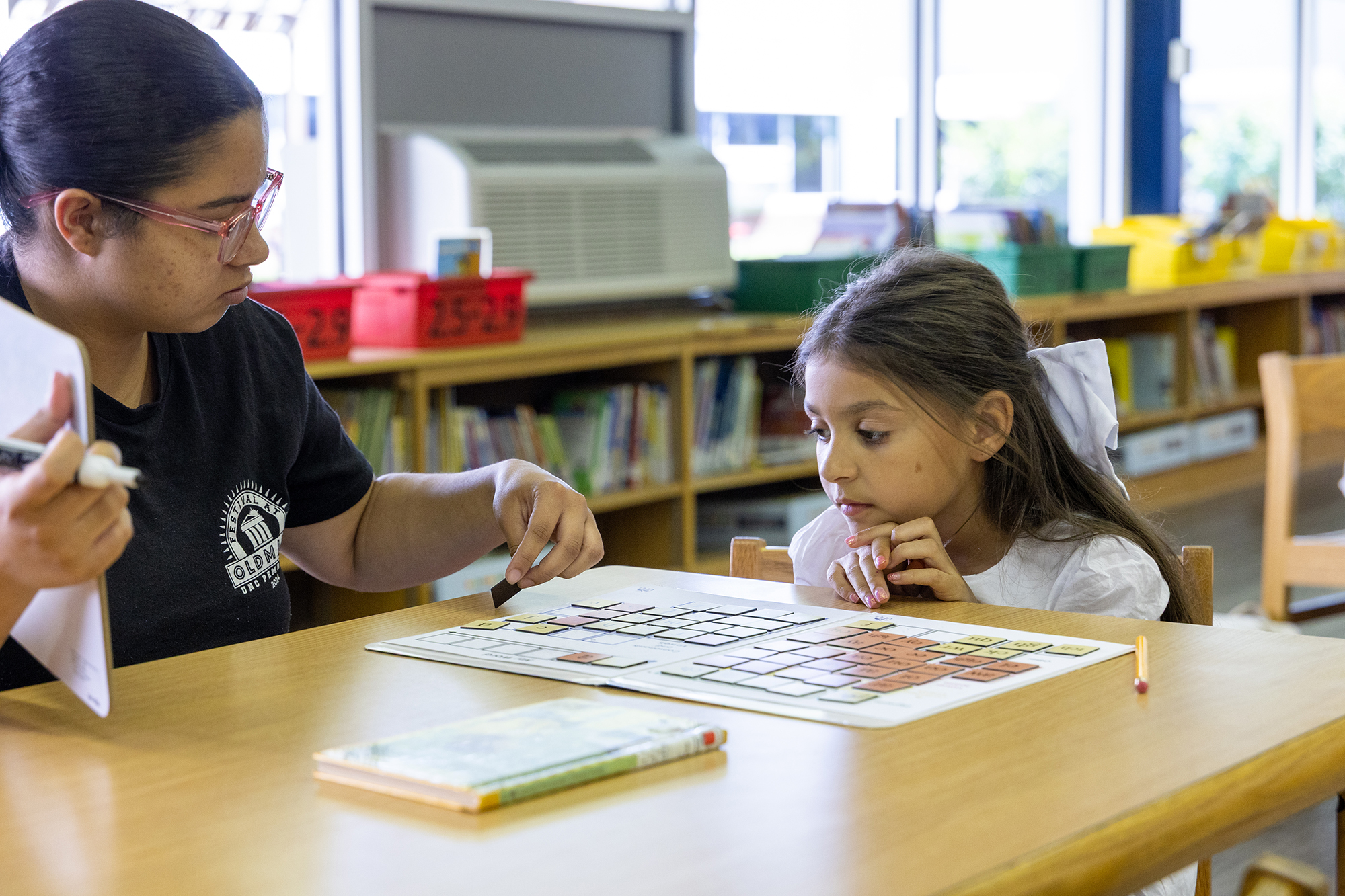
Elementary education students at UNC Pembroke develop literacy instruction skills through evidence-based coursework and extensive clinical experiences with partner schools throughout the region, including the university’s Literacy Clinic at Pembroke Elementary School. There, teacher candidates work one-on-one with elementary students over multiple sessions, assessing literacy needs, designing individualized instruction and adapting evidence-based reading strategies to help each child grow.
Together, those experiences prepare graduates to enter the classroom ready to deliver high-quality literacy instruction from their first day as teachers.
For 2024 graduate Rhyane Jacobs, the impact of that preparation is evident every day in her third-grade classroom at Union Chapel Elementary School in Robeson County. Earlier this year, Jacobs was named one of just 27 finalists statewide for the North Carolina Center for the Advancement of Teaching’s Beginning Teacher of the Year Award, which recognizes new teachers who excel in the classroom, support student success and demonstrate a commitment to lifelong learning.
Jacobs said literacy instruction is about much more than teaching children how to read.
“By third grade, students are transitioning from learning to read to reading to learn,” Jacobs said. “When they become confident readers, they become more independent learners who are willing to ask questions, explore new ideas and believe in their own abilities. Every child learns differently, and having a strong foundation in evidence-based literacy instruction allows us to meet students where they are and help them grow.”
She credits UNCP’s educator preparation program with giving her the confidence and foundation to bring those practices into her own classroom.
“As a UNCP graduate, it’s encouraging to see the School of Education recognized for preparing future teachers with the knowledge and skills they’ll need to make a lasting impact,” Jacobs said. “Thanks to that preparation, I’m able to make that impact in my own classroom every day.”
NCTQ President Heather Peske said strong teacher preparation plays a critical role in improving literacy outcomes nationwide.
“Every child deserves a teacher who has been well prepared to teach reading, and every teacher deserves the opportunity to enter the classroom ready to help students succeed,” Peske said. “Across the country, many teacher preparation programs still do not fully align with the science of reading, but UNC Pembroke is demonstrating what strong preparation can look like.”
As North Carolina continues to address literacy challenges and teacher shortages, the recognition reflects a mission that has guided UNC Pembroke for generations: preparing educators who are ready to make a lasting difference in classrooms, schools and communities across the state.
The UNCP School of Education offers a comprehensive range of undergraduate and graduate degree programs designed to prepare educators at every stage of their careers. From teacher licensure and advanced classroom practice to leadership, counseling and educational support roles, UNCP programs emphasize hands-on experience, strong mentorship and real-world readiness — preparing graduates to serve students, schools and communities across North Carolina and beyond.